
Electric bikes have transformed modern commuting, recreational cycling, and urban transportation. Offering faster speeds, easier climbs, and extended range, e-bikes make cycling accessible to millions. However, as e-bike popularity has surged, so has regulatory oversight. Across the United States, legislative bodies have adopted a standard 3-tier classification system to govern where e-bikes can ride, how fast they can go, and what safety gear riders must wear.
Understanding the distinctions between Class 1, Class 2, and Class 3 e-bikes is essential for staying safe, remaining compliant with local laws, and purchasing the right model for your daily riding needs.
The 3-Class E-Bike System: Key Differences at a Glance
The standard e-bike classification framework categorizes bicycles based on two primary factors: how motor power is engaged (pedal-assist vs. throttle) and maximum motor-assisted speed. In almost all jurisdictions, motor output is legally capped at 750 watts (1 horsepower).
1. Class 1 E-Bikes: Pedal-Assist Only (20 MPH Max)
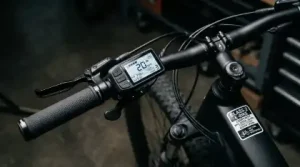
Class 1 electric bicycles are equipped with a motor that provides assistance only when the rider is actively pedaling (often referred to as Pedelec). The motor assistance automatically cuts off once the bike reaches a speed of 20 miles per hour (MPH).
- Throttle: None. Motor power requires manual pedaling.
- Top Assisted Speed: 20 MPH.
- Best For: Multi-use bike paths, suburban commutes, and paved mountain bike trails.
2. Class 2 E-Bikes: Throttle-Assisted (20 MPH Max)
Class 2 electric bicycles feature a motor controlled by a throttle (twist-grip or thumb button), allowing the bike to propel forward without pedal input. Most Class 2 models also feature pedal-assist modes. Like Class 1, motor assistance shuts off entirely at 20 MPH.
- Throttle: Yes. Can operate without pedaling.
- Top Assisted Speed: 20 MPH.
- Best For: Urban commuters facing heavy stop-and-go traffic, riders carrying heavy cargo, or those with mobility limitations.
3. Class 3 E-Bikes: Speed Pedal-Assist (28 MPH Max)
Class 3 e-bikes are built for speed and long-distance commuting. The motor assists only when the rider pedals, but assistance continues up to 28 MPH. Due to these higher speeds, Class 3 e-bikes are subject to stricter age and helmet regulations and are typically required to feature a functional speedometer.
- Throttle: Generally prohibited (though some states allow a throttle up to 20 MPH if pedal-assist goes to 28 MPH).
- Top Assisted Speed: 28 MPH.
- Best For: Long-distance road commuters keeping pace with city traffic.
Navigating Speed Limits and Local Enforcement
While the motor cuts off assistance at 20 or 28 MPH, riders can legally travel faster using human leg power, downhill momentum, or gravity. However, posted speed limits on shared paths, park trails, and residential streets apply to e-bikes just like motor vehicles.
Riders should keep in mind that riding a 28 MPH Class 3 e-bike down a crowded 15 MPH pedestrian path is a frequent cause of local bans. Municipalities often enforce posted path limits independently of your bike’s motor classification.
Helmet Laws and Age Restrictions by Class
Helmet legislation varies widely by state and city, but universal trends exist based on e-bike classes:
- Class 1 and Class 2: In most states, adult riders (ages 18+) are not legally mandated to wear helmets, though it is strongly advised. Riders under 16 or 18 are almost universally required to wear an approved CPSC helmet.
- Class 3 Regulations: Because impact forces increase exponentially at higher speeds, many states require all Class 3 riders regardless of age to wear a helmet. Furthermore, most states set a minimum operator age of 16 for Class 3 machines.
For Class 3 speeds (28 MPH), standard cycling helmets certified under basic CPSC standards may provide insufficient coverage. Experts recommend helmets certified under Dutch NTA 8776 standards, which are specifically tested for higher impact speeds and offer expanded coverage for the temporal and occipital regions.
Trail Access and Public Land Rules
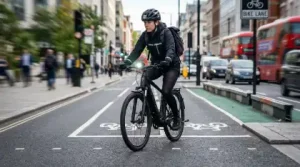 Understanding where you can legally ride is one of the most confusing aspects of e-bike ownership. Trail access depends heavily on whether land is managed at the federal, state, or municipal level:
Paved Roadways and Bike Lanes
Class 1, 2, and 3 e-bikes are generally permitted in standard road bike lanes and on paved public roadways. However, Class 3 e-bikes are frequently restricted from narrow, separated multi-use paths shared with pedestrians to reduce high-speed collision risks.
Natural Surface Trails & Singletrack
On mountain bike trails, dirt singletrack, and public parks, access rules are strict:
- Class 1 E-Bikes: Most accepted on motorized and non-motorized dirt trails due to speed caps and pedal-only operation.
- Class 2 & Class 3 E-Bikes: Often restricted or prohibited on non-motorized natural surface trails to protect trail infrastructure and maintain trail safety.
Compliance Check: Labels and Modifications
Most states mandate that manufacturers apply a permanent, legible compliance sticker to the e-bike frame listing its Class number, top assisted speed, and motor wattage. Altering your e-bike’s controller or adding aftermarket speed-unlock chips to push a Class 1 or 2 bike past 20 MPH converts the vehicle into an unregistered moped or motorcycle under federal and state law.
Operating an unclassed, modified e-bike on public paths exposes the rider to severe legal liability, traffic fines, and complete loss of insurance coverage in the event of a crash.
Summary
Knowing the operational boundaries of Class 1, 2, and 3 e-bikes ensures you remain safe, legal, and courteous to fellow road users. Before purchasing gear or hitting local routes, check state DOT regulations and municipal trail guidelines to ensure your e-bike matches your local riding environment.